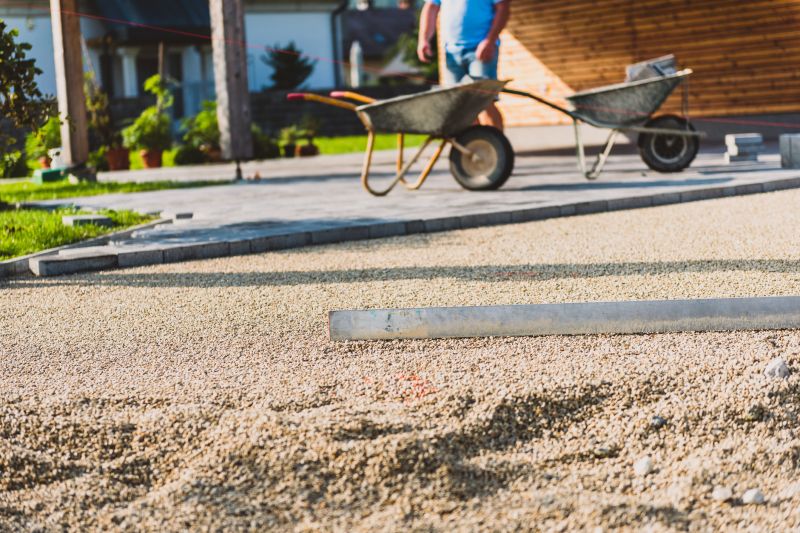
Driveway Leveling in Atlanta, GA
Driveway leveling services involve correcting uneven or sloped surfaces to create a smooth, stable, and safe driveway. This process typically addresses issues such as cracks, heaving, or sinking caused by soil movement, water erosion, or poor initial installation. Projects can range from minor adjustments to more extensive repairs on residential driveways, ensuring proper drainage and preventing further damage. Homeowners often request driveway leveling to improve curb appeal, enhance safety, and maintain the longevity of their property’s paved surfaces.
Before requesting driveway leveling, property owners usually want to understand the extent of the damage and whether the surface can be effectively restored without replacement. It’s important to assess the underlying causes of unevenness, such as soil instability or drainage problems, to ensure a durable solution. Clarifying the scope of work, expected outcomes, and any necessary preparatory steps can help property owners make informed decisions about the best approach for their driveway repair needs.
Many property owners in Atlanta, GA look into Driveway Leveling for repairs, replacements, upgrades, and appearance-related improvements.
Benefits Of Driveway Leveling
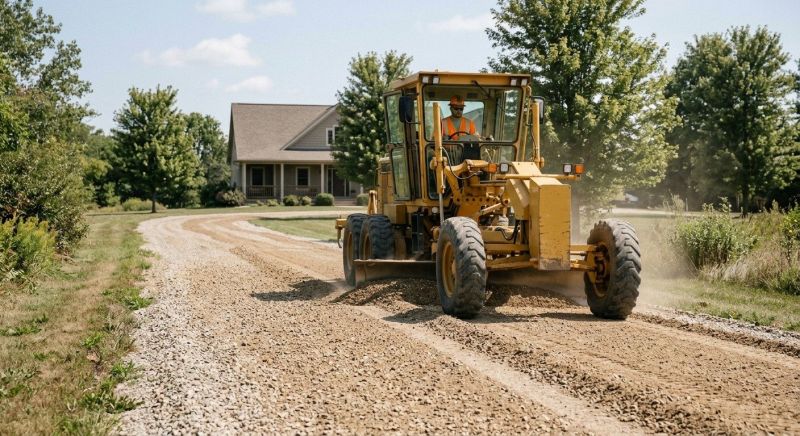
A leveled driveway improves safety, drainage, and curb appeal for atlanta properties.
Common Causes Of Driveway Unevenness
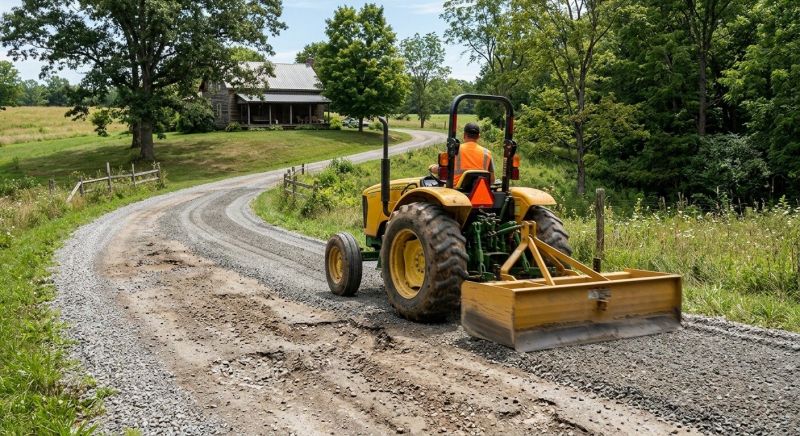
Soil erosion, tree roots, and poor initial installation often lead to driveway settling and cracks.
Signs Your Driveway Needs Leveling
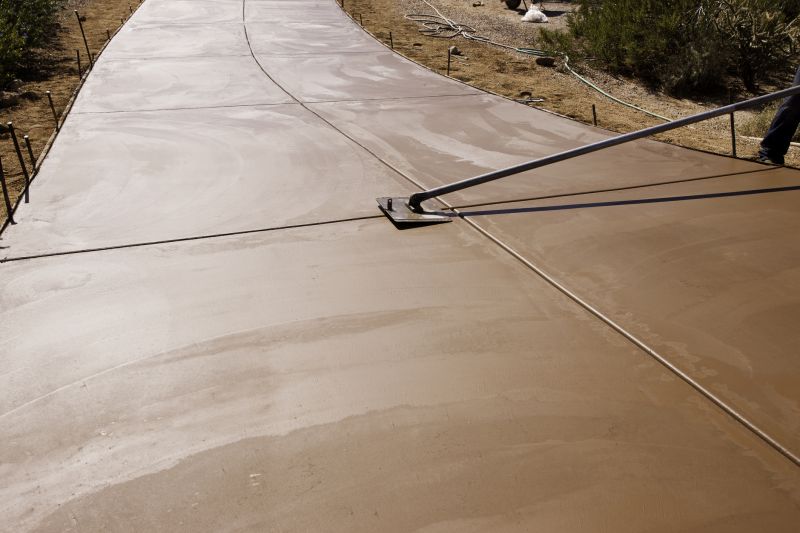
Noticeable cracks, uneven surfaces, or water pooling are indicators that driveway leveling may be necessary.
Driveway Leveling in Atlanta, GA
Driveway leveling services involve correcting uneven or sloped surfaces to create a smooth, stable, and safe driveway. This process typically addresses issues such as cracks, heaving, or sinking caused by soil movement, water erosion, or poor initial installation. Projects can range from minor adjustments to more extensive repairs on residential driveways, ensuring proper drainage and preventing further damage. Homeowners often request driveway leveling to improve curb appeal, enhance safety, and maintain the longevity of their property’s paved surfaces.
Before requesting driveway leveling, property owners usually want to understand the extent of the damage and whether the surface can be effectively restored without replacement. It’s important to assess the underlying causes of unevenness, such as soil instability or drainage problems, to ensure a durable solution. Clarifying the scope of work, expected outcomes, and any necessary preparatory steps can help property owners make informed decisions about the best approach for their driveway repair needs.
Many property owners in Atlanta, GA look into Driveway Leveling for repairs, replacements, upgrades, and appearance-related improvements.
Common Driveway Leveling Jobs
Driveway leveling involves correcting uneven surfaces to improve safety and appearance.
Crack repair addresses existing damage caused by settling or shifting.
Surface smoothing creates a uniform, functional driveway surface.
Slope adjustment ensures proper drainage and prevents water pooling.
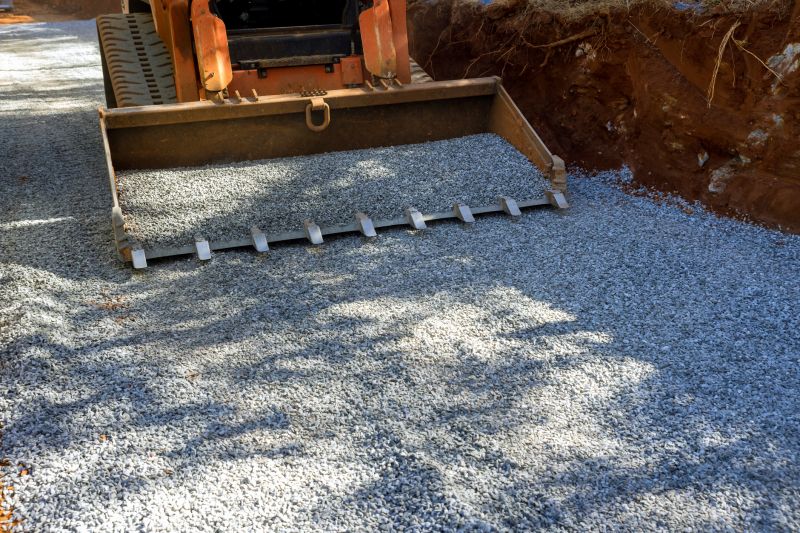
Sub-base stabilization enhances driveway support and longevity.
Preventative maintenance helps avoid future unevenness and costly repairs.
Driveway Leveling Questions
What causes driveway unevenness? Common causes include soil settling, tree roots, and poor initial grading, which can lead to dips and cracks over time.
How does driveway leveling improve property value? A properly leveled driveway enhances curb appeal and safety, contributing positively to overall property appearance.
Can driveway leveling fix existing cracks? Yes, leveling can address surface unevenness and minor cracks, helping to restore a smooth, functional surface.
What types of driveways are suitable for leveling? Concrete and asphalt driveways are most commonly leveled, especially when surface irregularities are present.
Request Driveway Leveling in Atlanta, GA
Use the quote form on this page to share the basics of your project and request more information for the type of work you need.